DSA IC Condemns US-brokered “peace” eroding Armenia’s sovereignty and rewarding Azerbaijan’s genocide in Artsakh
The Democratic Socialists of America International Committee (DSA IC) unequivocally condemns the “peace” plan brokered by President Donald Trump between Armenia and Azerbaijan. We call on the United States to immediately reverse course and ensure that any peace agreement is finalized with full consequences for Azerbaijan’s officials for perpetrating a genocide against the indigenous Armenians of Artsakh (also known as Nagorno-Karabakh). This means ensuring the right of return for Artsakh Armenians, recognition of their right to self-determination, and prosecution for crimes against humanity by Azerbaijan’s ethno-supremacist government under Ilham Aliyev.
Nearly two years ago, Azerbaijan finalized a brutal assault on the de facto autonomous region of Artsakh, besieging, starving, and ultimately expelling the native Armenian population. As the world first saw in 2020, this assault was made possible by U.S. complicity in the actions of two of its allies, Turkey and Israel. Despite State Department Acting Assistant Secretary Yuri Kim assuring the world that “the United States will not countenance any action or effort—short-term or long-term—to ethnically cleanse or commit other atrocities against the Armenian population of Nagorno-Karabakh,” the United States did exactly that.
Despite Azerbaijan’s documented and numerous crimes against humanity, its occupation of sovereign Armenian territory, and its genocide of Artsakh’s Armenian population, administrations of both major parties have now acquiesced to this regime’s demands. This includes repeatedly waving Section 907 of the Freedom Support Act to send American tax dollars to arm the Azerbaijani military. The shameful situation can be explained by the geopolitics of the South Caucasus.
Turkey, for its part, continues to engage in vehement denial of the 1915 Armenian Genocide and uses fascistic, hyper-nationalist rhetoric both at home and in its foreign policy. Towards Azerbaijan, this means advancing Pan-Turkism, which largely scapegoats Armenians as an inferior and sub-human people worthy of extermination in order to create a contiguous Turkic nation. Both Turkish President Reccep Erdogan and Azerbaijani President Aliyev have, for instance, publicly praised the actions of the perpetrators of the 1915 Armenian Genocide and their immediate underlings repeatedly advance the idea of “completing” the task. However, support for Azerbaijan from U.S. allies neither starts nor ends with Turkey.
Israel, since the fall of the Soviet Union, has cultivated a deep relationship with Azerbaijan. Reports suggest that Azerbaijan continues to be one of the top three energy suppliers of Israel. In exchange, Israel sells weapons to and tests developing systems in partnership with Azerbaijan’s military. In fact, around 70 percent of Azerbaijan’s weapons are reported to come from Israel. In 2020, Israeli drones were a key factor in Azerbaijan’s victory over Armenian forces protecting Artsakh. It is likely for this reason that Israel also proudly denies the Armenian Genocide even today. Furthermore, Israel views Azerbaijan as a key geostrategic asset to gain leverage, intelligence, and supremacy over Iran, with a number of Israeli bases being hosted close to the Iranian border.
The U.S.should not sacrifice Artsakh’s Armenians on an altar to these two genocidal allies. Assisting Azerbaijan in whitewashing genocide in exchange for oil to flow from Baku to Europe and Israel and to further Pan-Turkism is criminal. As socialists, we recognize that the dignity of any people should not be contingent on their value to global capital. Tragically, this peace plan does exactly the opposite: subjugating Armenia at the expense of profit, Pan-Turkism, and Zionism. The Armenians of Artsakh have been indigenous to the region for millennia, with some of the Armenian people’s earliest cultural heritage originating in the area. Their right to self-determination is inalienable and the right of return for the over 100,000 forcibly displaced people must be part of any U.S. brokered peace along with release of prisoners of war, political prisoners, and withdrawal from occupied lands.
This injustice is compounded by the provision for a 99-year, privatized lease on a transit corridor for Azerbaijan that would cut through the Armenian region of Syunik. Profiteering on a route that will likely be used by Turkey and Israel to supply weapons to Azerbaijan to use against Armenia or Iran. The creation of such a route also calls into question Armenian sovereignty, as the corridor would potentially cut off Armenia from its only friendly neighbor, Iran.
This would undeniably be an extension of American neo-colonial power into Armenia that, as history suggests for 99-year leases, any future Armenian government will find incredibly difficult to get out of. Troublingly, U.S. diplomatic history is checkered with interventions into smaller, less powerful countries to uphold such strategic trade routes and enrich private enterprises. This includes the Panama Canal in Panama, United Fruit in Guatemala, the overthrow of Iran’s democratically elected government, and the military takeover of Chile. This history must not be allowed to repeat itself in Armenia. Instead, the United States must go back to the table and reverse the genocide of Artsakh Armenians.
Democratic Socialists of America’s International Committee stands with oppressed people around the world fighting for liberation against imperialism, racism, and capitalism. From Palestine, to the Congo, to Sudan, to Armenia and Artsakh, and beyond, we recognize that these struggles are interconnected. In solidarity with comrades around the world, we strongly condemn this reprehensible proposal and call on the US government to change course.
Ամերիկայի Միացյալ Նահանգների Սոցիալիստ Դեմոկրատների Միջազգային Կոմիտեն (DSA IC) անկասկած դատապարտում է «խաղաղության» այն ծրագիրը, որ միջնորդեց նախագահ Դոնալդ Թրամփը Հայաստանի եւ Ատրպէյճանի միջեւ։ Մենք կոչումէնք անում Միացյալ Նահանգներին որ անմիջապես փոխել ընթացքը եւ ապահովել, որ խաղաղության որեւէ համաձայնագիր կնքուի միայն այն դէպքում, երբ Ատրպէյճանի պաշտօնյաները կ’ենթարկուին լիարժէք հետեւանքներու՝ Արցախի (նաեւ յայտնի իբրեւ Լեռնային Ղարաբաղ) բնիկ հայության դէմ իրականացրած ցեղասպանության համար։ Սա նշանակում է ապահովել արցախահայության վերադարձի իրաւունքը, նրանց ինքնորոշման իրաւունքի ճանաչումը, նաեւ Ատրպէյճանի էթնօ-գերազանցական վարչակարգի՝ Իլհամ Ալիեւի գլխաւորությամբ, մարդու դէմ ոճիրներու համար դատապարտումը։
Մօտ երկու տարի առաջ Ատրպէյճանը աւարտեց դաժան յարձակում Արցախի փաստացի ինքնավար շրջանի վրայ՝ պաշարելով, սովամահ անելով եւ ի վերջոյ արտաքսելով բնիկ հայ բնակչութիւնը։ Ինչպէս աշխարհը տեսաւ 2020 թուականին, այս հարձակումը հնարաւոր դարձաւ Միացյալ Նահանգներու մեղսակցությամբ՝ իր երկու դաշնակիցներու, Թուրքիոյ եւ Իսրայէլի գործողութիւններուն։ Չնայած Պետդեպարտամենտի Ժամանակաւոր Օգնական Արտգործնախարար Յուրի Քիմը վստահեցրեց աշխարհին, թէ «Միացյալ Նահանգները պիտի չհանդուրժեն որեւէ գործողութիւն կամ փորձ՝ կարճաժամկէտ թէ երկարաժամկէտ,՝ էթնիկ զտումներ կամ այլ ոճիրներ իրականացնելու համար արցախահայության դէմ», Միացյալ Նահանգները գործնականում ճիշդ այդ բանն արեցին։
Չնայած Ատրպէյճանի բազմաթիւ եւ փաստագրուած ոճիրներուն՝ մարդության դէմ, Հայաստանի ինքնիշխան տարածքներու գրաւումը եւ Արցախի հայության ցեղասպանութիւնը, երկու խոշոր կուսակցութիւններու վարչակազմերը զիջած են այս վարչակարգի պահանջներուն։ Սա ներառում է բազմիցս հրաժարվել Freedom Support Act Section 907-ի, որպէսզի ամերիկյան հարկատուներու գումարով զինեն Ատրպէյճանի բանակը։ Այս ամօթալի կացութիւնը բացատրելի է Հարաւային Կովկասի աշխարհաքաղաքականությամբ։
Թուրքիան, իր հերթին, կը շարունակէ մերժել 1915-ի Հայոց Ցեղասպանութիւնը եւ օկտագործում է ֆաշիստական, գերէթնիկ-ազգային հռետորաբանութիւն թե՛ ներքին, թե՛ արտաքին քաղաքականության մեջ։ Ատրպէյճանի հանդէպ, սա նշանակում է առաջ տանել Պանթուրքիզմը, որ հիմնականում հայութիւնը կը դարձնէ քաւության նոխազ՝ իբր անարժէք ու ենթամարդկային ժողովուրդ, որուն ոչնչացումն անհրաժեշտ է «միացյալ թուրանական ազգ» ստեղծելու համար։ Թուրքիայի նախագահ Ռէջեփ Էրդողանը եւ Ատրպէյճանի նախագահ Ալիեւը անգամ բազմիցս հրապարակավ գովեստներ յղած են 1915-ի ցեղասպանության իրագործողներուն, իսկ անոնց անմիջական հետեւորդները կրկին ու կրկին առաջ կտան գաղափարը «ավարտին հասցնելու»։ Սակայն Ատրպէյճանի հանդէպ ամերիկյան դաշնակիցներու աջակցութիւնը չի սահմանափակուիր միայն Թուրքիայով։
Իսրայէլը, Խորհրդային Միության անկումէն ի վեր, խորապէս զարգացուցած է խոր յարաբերութիւններ Ատրպէյճանի հետ։ Զեկոյցներու համաձայն, Ատրպէյճանը կմնա Իսրայէլի երեք խոշոր էներգամատակարարներէն մէկը։ Փոխարենը, Իսրայէլը զէնք վաճառում է եւ համատեղ համակարգեր կփորձարկէ Ատրպէյճանի բանակի հետ։ Իրականում, որ Ատրպէյճանի զէնքերու շուրջ 70 տոկոսը հասնում է Իսրայէլից։ 2020-ին, իսրայէլյան անօդաչուները վճռական դեր խաղացին Ատրպէյճանի յաղթանակին՝ Արցախի պաշտպանական ուժերուն դէմ։ Հաւանաբար այս պատճառով Իսրայէլը մինչեւ այսօր հպարտությամբ կժխտէ Հայոց Ցեղասպանութիւնը։ Աւելին, Իսրայէլը տեսնում է Ատրպէյճանը որպէս կարեւոր աշխարհագրական ռազմավարական ակտիվ՝ Իրանի դէմ լաւագոյն լծակներու, հետախուզական եւ ռազմական գերակայության համար՝ տեղադրելով բազում ռազմակայաններ Իրանի սահմանին մօտ։
Միացյալ Նահանգները պէտք չէ զոհաբերէ Արցախի հայութիւնը այս երկու ցեղասպան դաշնակիցներուն զոհասեղանին վրայ։ Աջակցիլ Ատրպէյճանին՝ ցեղասպանութիւնը սպիտակեցնելու համար՝ նավթը Բաքուէն դէպի Եւրոպա եւ Իսրայէլ հոսեցնելու եւ Պանթուրքիզմը առաջ տանելու նպատակով, հրէշաւոր ոճիր է։ Որպէս սոցիալիստներ, մենք ճանանչում ենք, որ որեւէ ժողովուրդի արժանապատուութիւնը չպէտք է կախուած լինի անոր արժէքէն համաշխարհային կապիտալի համար։ Ցաւօք, այս խաղաղության ծրագիրը ճիշդ հակառակնէ անոգմ՝ ենթարկելով Հայաստանն շահ շահոյթին, Պանթուրքիզմին եւ Սիոնիզմին։ Արցախի հայերը բնիկ են այս երկրամասին մէջ հազարամեակներով, ուր հայ ժողովուրդի ամենահին մշակութային ժառանգութիւններէն ոմանք ծագած են։ Անոնց ինքնորոշման իրաւունքը անօտարելի է, իսկ բռնագրաւուած 100,000 մարդոց վերադարձի իրաւունքը պէտք է լինի որեւէ ամերիկյան միջնորդությամբ խաղաղության հիմնաքարը՝ զինուորական գերիներու եւ քաղբանտարկյալներու ազատ արձակման ու օկուպացուած տարածքներու ազատման հետ միասին։
Այս անարդարութիւնը աւելի կխորանայ այն դրությամբ, որ 99 տարուան վարձակալությամբ, մասնաւորեցուած «կորիդոր» պէտք է տրամադրուի Ատրպէյճանին՝ անցնելու Հայաստանի Սիւնիքի մարզէն։ Սա կը դառնայ շահագործումի ուղի, որ մեծ հաւանականությամբ պիտի ծառայէ Թուրքիոյ եւ Իսրայէլին՝ զինելու Ատրպէյճանը Հայաստանի կամ Իրանի դէմ։ Աւելին, նման ուղիի ստեղծումը կասկածի տակ կը դնէ Հայաստանի ինքնիշխանութիւնը, քանի որ «կորիդոր»ը կարողանա կտրել Հայաստանը իր միակ բարեկամ հարեւանէն՝ Իրանից։
Սա անկասկած պիտի դառնայ ամերիկյան նեօ-գաղութատիրության երկարաձգում Հայաստանի մէջ, որ, ինչպէս պատմութիւնը ցոյց ե տալիս 99 տարուան վարձակալութիւններու պարագային, որեւէ ապագայ հայկական կառավարության համար չափազանց դժուար պիտի լինի վերացնելու։ Խիստ մտահոգիչ է, որ Միացյալ Նահանգներու դիւանագիտական պատմութիւնը լի է փոքր եւ տկար երկիրներու նկատմամբ միջամտութիւններով՝ նման ռազմավարական առեւտրական ուղիներ ապահովելու եւ մասնաւոր ձեռնարկութիւններ հարստացնելու նպատակով։ Սա ներառած է Փանամայի ջրանցքը, «United Fruit»-ը Գուատեմալայում, Իրանի ժողովրդավարօրէն ընտրուած կառավարության տապալումը եւ Չիլիի զինուորական յեղաշրջումը։ Այս պատմութիւնը պէտք չէ կրկնուի Հայաստանի մէջ։ Փոխարէնը, Միացյալ Նահանգները պէտք է վերադառնան բանակցութիւններու սեղան եւ դադրեցնեն Արցախի հայության ցեղասպանութիւնը։
Ամերիկայի Միացյալ Նահանգների Սոցիալիստ Դեմոկրատների Միջազգային Կոմիտեն (DSA IC) կանգնում է աշխարհի բոլոր ճնշուած ժողովուրդներու կողքին՝ ազատագրության պայքարին մէջ՝ դէմ կայսերապաշտության, ռասիզմին, եւ կապիտալիզմին։ Պաղեստինէն մինչեւ Կոնգօ, Սուդան, Հայաստան եւ Արցախ եւ անդին՝ մենք ճանաչում ենք, որ այս պայքարները փոխկապակցուած են։ Համաշխարհային ընկերներու հետ համերաշխությամբ, մենք վճռականօրէն կը դատապարտենք այս անպատշաճ առաջարկը եւ կը կոչենք Ամերիկյան կառավարութիւնը փոխել իրենց ընթացքը։
The post DSA IC Condemns US-brokered “peace” eroding Armenia’s sovereignty and rewarding Azerbaijan’s genocide in Artsakh appeared first on DSA International Committee.
Buffalo DSA Urges Reconsideration of Broadway-Fillmore Police Training Facility
Since March 2025, Buffalo DSA has endorsed LOLA’s Communities Not Cops campaign, with overwhelming support from our general membership. As this project begins to receive the citywide attention and debate it deserves, the Buffalo DSA Steering Committee reaffirms our support of efforts to educate and agitate against a police training facility and shooting range on Paderewski Drive. We also urge all members of Buffalo DSA to follow LOLA’s calls to action re: demanding Common Councilmembers vote “NO” on the rezoning of the Paderewski Drive location, as listed on their Instagram page.
The creation of a police training facility increases the Buffalo Police Department’s capacity for targeting working-class Buffalonians through violent interventions, especially those in minority ethnic groups and within our city’s poorest communities. This is especially heinous considering Paderewski Drive was once home to a community center; we are disappointed to see the city invest in more militarized policing, rather than restoring a public civic space. This is completely counter to the just city we deserve – not just for those in the immediate neighborhood, but for working class communities citywide. We have been disappointed by the limited scope of debate around this project to this point, which suggests that only the immediate neighborhood will be impacted by this facility. We encourage comrades and neighbors to consider the larger ramifications of a police training facility of this kind.
Said limited scope of debate stems from a source actively collaborating with the Buffalo Police Department to push this project through. The Central Terminal Neighborhood Association is claiming a mandate to speak for the entire area, despite reports that opposition to the project has now spread beyond LOLA’s initial campaign, and to Broadway-Fillmore community members who have just learned about the project relative to its progress. Neighbors deserve fair representation of the project to them, rather than vague promises of a “community benefits agreement” with BPD – the details of which include only surface-level commitments toward “youth programs” in part of the facility and keeping neighborhood trees intact. We also condemn undignified smear tactics, printed or otherwise recorded publicly, that concerned citizens across Buffalo are only seeking cameras or clicks.
As the Common Council, the Buffalo Police Department, and other crucial city officials collude to advance this project via their Sep. 2 vote, we once again doubt their belief in democratic processes, and question the Central Terminal Neighborhood Association’s mandate to speak for the city on the matter.
Our chapter’s vision for demilitarized policing takes from the rich history of American socialism, notably from the legacy of American socialist Eugene V. Debs. Debs stated in 1918, after his conviction for violating the Sedition Act:
“While there is a lower class, I am in it, while there is a criminal element, I am of it, and while there is a soul in prison, I am not free.”
While we cannot speak for a long-deceased comrade, Debs’ rhetoric throughout his life demanded the liberation of the working class from oppression and tyranny. To aid and abet the tyranny of modern policing is antithetical to the American socialist tradition.
Bernie Sanders Endorsement of Rebecca Cooke A Betrayal of Socialist Movement

On August 23rd, Bernie Sanders will be hosting a “town hall” event with Rebecca Cooke, candidate in the 2026 Democratic Party 3rd Congressional District election, near Viroqua. This follows his June 19th endorsement of her. We, the Executive Committee of the Coulee Region chapter (CDSA) of the Democratic Socialists of America (DSA), denounce this endorsement and campaign event and urge Senator Sanders to withdraw this endorsement.
Senator Sanders has been a principled socialist for his entire life, and has been a leader and inspiration for millions of progressives and socialists for decades. This made his endorsement of Rebecca Cooke extremely shocking. Rebecca Cooke is no socialist, or even a progressive. She refuses to endorse Medicare For All. In 2024, she was “grateful” to be endorsed by the genocide-apologist organization Democratic Majority For Israel.1 In June of this year, she was a featured speaker at “WelcomeFest”, a convention of the anti-progressive wing of the Democratic Party, sharing the billing with genocide-apologists and neoliberals.2 In the struggle between progressives and reactionaries within the opposition to the current fascist regime, she has declared on which side she places herself- it’s not with us, and it shouldn’t be with Bernie Sanders.
There are two other candidates in this primary, namely Laura Benjamin and Emily Berge, who would make far more sense for Senator Sanders to endorse. Both have endorsed Medicare For All. Both have better stances on Palestine. Laura Benjamin is a member of DSA, is committed to socialist principles, and is a fiery public speaker. Emily Berge is firmly in the La Follette Progressive tradition and has years of experience in local elected office.
For these reasons, in the spirit of socialist comradeship, the Coulee Region chapter of Democratic Socialists Of America urges Bernie Sanders to withdraw his endorsement of Rebecca Cooke.
COULEE DSA EXECUTIVE COMMITTEE & CHIPPEWA VALLEY DSA OC, AUGUST 19th, 2025
Coulee Democratic Socialists Of America can be found at https://coulee.dsawi.org/, on Facebook, on Instagram, and by emailing couleedsa@gmail.com. Chippewa Valley DSA can be reached at chippewavalleydsa@gmail.com
1“DMFI PAC announces new endorsements in Arizona, New York, & Wisconsin” https://dmfipac.org/news-updates/press-release/dmfi-pac-announces-new-endorsements-in-arizona-new-york-wisconsin/
2“I Just Got Back From the Centrist Rally. It Was Weird as Hell.” https://www.thenation.com/article/politics/welcomefest-dispatch-centrism-abundance/
The post Bernie Sanders Endorsement of Rebecca Cooke A Betrayal of Socialist Movement first appeared on Coulee DSA.
Concentration Camp in Your Community: Discussing the Baldwin ICE Detention Center with the GRDSA
We’ll be hosting our next Greenville event on Saturday, August 23rd, from 2-4 pm at the Flat River Community Library.

We’ll be discussing Trump’s new ICE Detention Center in Baldwin, Michigan. The conversation will center around the racist anti-immigrant efforts rising around us, why we’re against them, and what we can do about it!
RSVP to the event here, and share the details with a friend! We’re looking forward to a robust discussion with you.
The post Concentration Camp in Your Community: Discussing the Baldwin ICE Detention Center with the GRDSA appeared first on Grand Rapids Democratic Socialists of America.

Solar Bonds for our Communities!
Rooftop solar at Lyons Farm Elementary
By Aidan P and Carl H
Right now, people in Carrboro, Chapel Hill, Durham, and Hillsborough, as well as in Alamance and Chatham counties, are recovering from the severe and costly flash flooding brought on by Tropical Depression Chantal. We know that the climate crisis is making weather disasters more frequent and more intense, and our region is now threatened by supercharged floods, heat waves, and hurricanes. Even areas that were thought to be relatively safe are at risk. For example, North Carolina’s Appalachian Mountains, once seen as a refuge due to the cooler climate and inland location, were hit hard by Hurricane Helene in September 2024. Entire districts of Asheville were destroyed, tens of billions of dollars in damages were sustained, and many rural mountain communities were devastated.
But even though climate change is now a manifest reality, our leaders have utterly failed to meet the moment. At the federal level, investments and incentives for renewable energy are systematically rolled back, public lands are threatened, environmental regulations are aggressively slashed, and proper forecasting equipment and personnel are thrown to the wayside with deadly consequences. At the same time, big tech’s extremely dangerous and ecologically costly gamble on a mass buildout of deregulated nuclear plants to power AI datacenters continues to accelerate. State leadership is hardly any better. Duke Energy, with the help of politicians on both sides of the aisle, continues to drag its feet on cutting emissions, instead investing in new fossil gas infrastructure. Most recently, the state legislature overrode Governor Josh Stein’s veto and dropped North Carolina’s interim 2030 decarbonization goal, removing incentives for Duke Energy to shift to renewables and encouraging continued use of fossil gas. According to an analysis by NC State professor Joseph DeCarolis and his colleagues, this destructive bill will lead to a 40% increase in fossil gas generation in our state between 2030 and 2050. This is only the tip of the melting iceberg when it comes to Duke Energy’s disastrous activities, which also include greenwashing and mass deception, systematic subversion of democracy, and an allegedly cavalier attitude towards nuclear safety, among others.
Besides emitting greenhouse gases, burning fossil fuels also emits a huge quantity of toxic pollution harmful to natural ecosystems and human health, causing asthma, cancer, and heart disease. Furthermore, as anyone who lives near one of Duke Energy’s coal ash deposits knows, the ecological and human costs don’t end with emissions, also including the leaching of heavy metals linked to cancers, reproductive harm, and heart and thyroid diseases into soil and groundwater. In addition to the impacts on our communities and our health, the climate crisis compounds the more general ecological crisis as animals and plants struggle to adapt to a rapidly changing environment.
In contrast to burning fossil-fuels, solar panels convert sunlight directly into electricity, avoiding greenhouse gasses and other toxic emissions. Increasing solar electricity generation is an important step in the transition to renewable energy and a sustainable economy. The Triangle region receives abundant sunlight, an average of 4.5-5.4 hours of peak sun per day. Thanks to technological advances, solar panels today are efficient, long-lasting, and low-cost compared to other ways of producing electricity. Renewable energy sources like solar also stabilize energy prices, as they are not prone to the periodic severe price shocks experienced by volatile fossil gas markets.
While it is possible to fund solar installations through regular budget measures, this creates a false conflict between money for solar and money for other important public services. A bond resolves this, helping to facilitate the large scale solar projects necessary for a swift and comprehensive energy transition.
The solar bonds we are advocating would borrow money specifically to fund solar installations on public buildings like schools, libraries, public housing, and government buildings. Any renewable energy installations funded by these bonds should be publicly owned, and money saved that previously went towards paying Duke Energy's high electricity rates should, after paying off the bond, instead be allocated to improving public services or helping to raise the wages of sanitation workers, teachers, support staff, and other low-wage public sector workers.
These bonds are also a climate resilience measure. The importance of a climate resilient grid cannot be underestimated: this can be a matter of life and death during a climate disaster. For example, when combined with infrastructure hardening and the development of localized microgrids, the solarization of public buildings can ensure that our most critical public facilities stay on during the power outages that often accompany weather emergencies.
Depending on the specific needs of each county or city in the Triangle, these bonds could also fund other critical resilience, renewable energy, and energy efficiency measures. For example, a broader bond referendum could be used to fund efficient HVAC systems for our schools, improve stormwater infrastructure for our towns and cities, or even acquire property for new public housing. We encourage anyone familiar with the needs of their community to contact us and share what similar measures they would like to see included in local bonds.
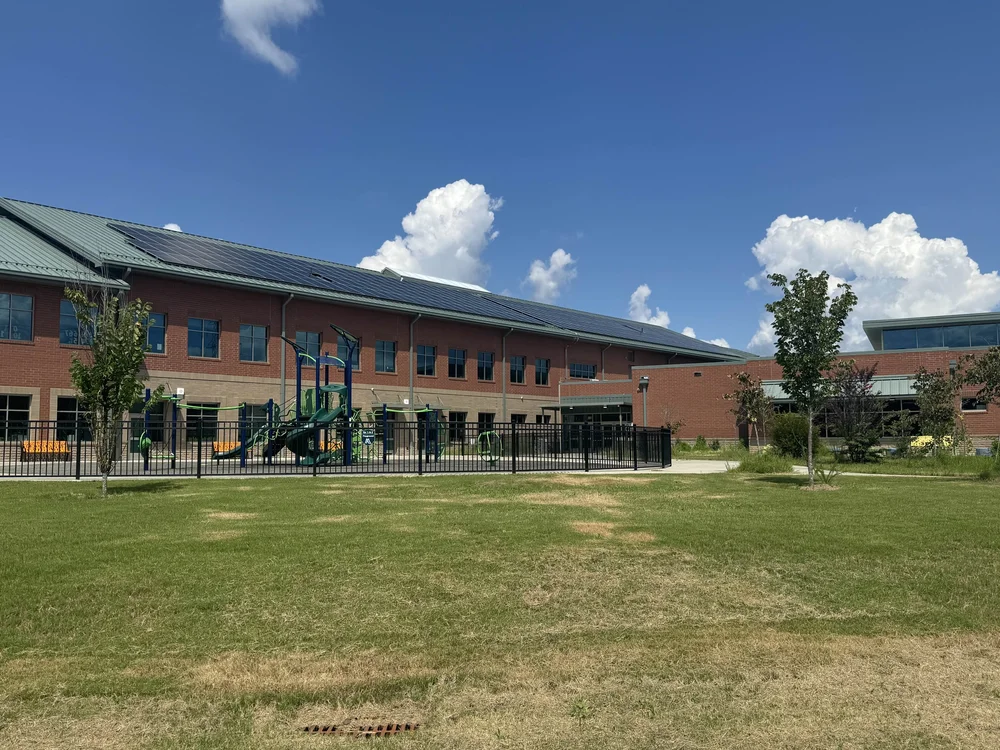
Many cities and counties in North Carolina and across the South have already passed bonds to fund sustainability measures, including solar installations on public buildings. In 2020, Buncombe county, the city of Asheville, and Asheville’s Isaac Dickson Elementary School agreed to collectively spend $11.5 million on solar facilities capable of generating seven megawatts of power, mostly for public buildings -- schools, community colleges, community centers, and fire stations, among others. The majority of this money ($10.3 million) came from a bond issued by Buncombe county, approved unanimously by Buncombe county commissioners. Even Republican county commissioners voted to approve the bond, citing the cost savings, which more than covered each year’s bond payment. A 2024 initiative in San Antonio, Texas, provides a second example. Here, a total of $30.8 million was raised ($18.3 million from bonds, $10 million from Inflation Reduction Act tax credits, and $2.5 million from the State Energy Conservation Office), partially to solarize a variety of municipal facilities, such as municipal building rooftops and parking lots. San Antonio expects to pay off all debt within 10 years using savings accrued through the project, which also makes substantial progress towards the city’s goal of net-zero emissions by 2050. Locally, a 2022 Durham County schools bond included funding to solarize Lyons Farm Elementary School, which now supplies about 20% of its electricity from rooftop solar.
While we encourage local governments to adopt renewable energy measures through their regular budget proceedings, as Democratic Socialists we wanted to bring the issue directly to voters -- giving regular people a real say in important and economically consequential decisions brings us a step closer to the democratically organized economy we ultimately envision.
Currently, our goal is to get solar bonds on the ballot for Orange, Durham and Wake Counties, as well as for our smaller municipalities (Carrboro and Chapel Hill) and our larger cities (Durham and Raleigh) But make no mistake -- a solar bond is only the beginning. Powerful forces stand in the way of the comprehensive energy and sustainability transition our society needs, especially in North Carolina. To overcome these forces we need to build a mass movement that centers the multiracial working class and all the oppressed and colonized peoples of this land. One of the core goals of the mass movement must be to establish an energy system owned and planned by and for the people, an energy system that puts our interests and our planet over corporate profit. We invite you to join us.
Interested in helping? Triangle DSA’s Solar Bond Campaign Committee meets every other Tuesday at 6:00pm online, and is open to the general public. The committee has already reached out to potential coalition partners, and plans to build support through tabling and canvassing campaigns. The committee is also in the process of meeting with elected leaders to advocate for the bond. You can reach out to us directly to join in this important effort by contacting nctdsa.solarbond@gmail.com, or you can simply show up to a committee meeting!

Calling, Purpose, & Keeping Your Soul | Chaz Howard
2025 April-June Recap
GNDCC Committee Updates
DSA Convention season in full swing. In our Campaign Huddles, we strategized for the next two years and outlined why Organizing for a Green New Deal under Trump 2.0 is crucial for DSA in Democratic Left. Read our resolution that would mandate us to focused on Buiding for Power for two more years.
Missed our mass call with socialist electeds, ecosocialist leaders, and campaign organizers? Watch a recording on why the Fight for a Socialist Green New Deal continues, featuring Thea Riofrancos, Ashik Siddique, Sarahana Shrestha, Kelsea Bond, Alex Brower, Michael B, and Sam Z.

Building for Power campaign updates
New Campaigns
We welcomed a new B4P campaign into our universe: Houston DSA launched Our Vote, Our METRO, pressuring Mayor Whitmore to deliver transit improvements voters already approved. The revitalized ecosocialist working group is mobilizing for 2026 METRO budget hearings, driving turnout and shaping the narrative.

Keeping the Pressure On
In New York, Sarahana Shrestha’s Public Renewables Transparency Act passed unanimously in the State Assembly, ensuring democratic oversight of NYPA’s renewables expansion. The push continues for 15 GW of public renewables by 2030—creating 25,000 union jobs, cutting bills, and retiring peaker plants.
If you missed it, check out our latest Campaign Q&A: Building Public Renewables in New York. The Build Public Renewables Act provides a model for a successful chapter campaign within the Building for Power framework, and the fight continues to see it fully implemented. This interview is brimming with insights for chapters running their own strategic campaigns.
The summer months are great for canvassing: We Power DC hosted their first canvasses for their public power pledge, while the canvassing pros in Milwaukee continue their weekly efforts to gather signatures to replace WE Energies.


Louisville DSA’s Get on the Bus campaign to fund TARC continues gaining momentum, with nearly 1,200 signatures on their demand letter and support from 31 organizations—including 9 unions/labor councils. This summer they delivered over 300 postcards to city council and launched a street team wheatpasting bold “Let TARC Grow” posters across the city, taking inspiration from Metro DC’s B4P campaigns model.


If you’re at the 2025 DSA convention, stop by our table and say hi! We will be there championing the power of organizing at the intersection of climate, labor, and public goods. As more chapters take on strategic, place-based campaigns, we’re building toward a future where ecosocialism is not just a vision—but a material force in the everyday lives of working-class people. See you in Chicago!
The post 2025 April-June Recap appeared first on Building for Power.
Bring the Zohmentum home to Vermont
Note: posts by individual GMDSA members do not necessarily reflect the views of the broader membership or of its leadership and should not be regarded as official statements by the chapter.
GMDSA Electoral Committee Chair Adam Franz delivered the following speech at our chapter’s summer barbecue on July 22.
It’s great to see so many people here today, and I thank you all for coming to support our chapter’s delegation to Chicago for the national convention.
I am going into my fifth year as a member of the Democratic Socialists of America, and many of the people here have been in the organization longer than I have. In my time in this org, and in all of our lifetimes, “socialism” and the left have been mostly an experience of defeat. The rollback of the New Deal in favor of neoliberalism, the defeat of the labor movement, the rise of the new right, Bernie’s two defeats, and a second Trump administration. Often, socialists have looked to small wins, like mutual aid, or the lack of a defeat, as a victory.
Zohran’s win changes all of that. Since 2020, socialists have been told, and in many cases accepted, a narrative that our beliefs are unpopular, that a majority of the American people are not with us. When the New York assemblymember, a cadre DSA member, announced his campaign last fall, he was a joke. Polling at just 1%, his platform read to the mainstream media like an ultra-left Twitter bio. Free buses? Rent freeze? Publicly owned grocery stores? No, these were not the talking points they had decided the election would be about. A moral panic about crime, a debate between different forms of centrism—that was what the mayoral election would be about. Zohran’s message would not breach the borders of the already existing base of democratic socialism in New York.
New York City DSA did not, however, just play to its base. After Trump’s victory, Zohran took to the street, talking to voters in neighborhoods that swung hard against Harris in November. He found that voters were motivated by a sense that the country was not working for ordinary people, and that even the lives they had been living four years before were no longer affordable to them. Now, price caps on rent and free, universal public services don’t sound so radical. They sound like the kind of materialist demands that the socialist left has that connect with working class voters.
Zohran’s message took off, propelling him into second place against disgraced former governor Andrew Cuomo. And the more voters saw of Zohran, the more they liked him. The socialist assemblymember seemed like the first politician in a long time that genuinely cared about the struggles of the working class, and had solutions for them. Zohran did not just win the primary by 12 percent; he won neighborhoods nobody expected, and even in the neighborhoods where he lost, he far exceeded expectations, like in the more conservative Staten Island, where he landed only 9% below Cuomo.
If Zohran wins in November, DSA will be in a position to be governing America’s biggest city. Like Bernie 40 years ago in Burlington, we have the opportunity to demonstrate that socialist government is good government. That public ownership is more efficient than private dictatorship. We can realize the slogan that Lenin beautifully gifted us a century ago: “Bolshevism equals soviet power plus electrification.” Socialists recognize that we must radically transform the state to empower ordinary people and deliver a better form of administration of government services that puts to bed the notion that socialism means ineffective government.
The easy thing to do, and you already see this in Democrats’ chosen media outlets like CNN and the New York Crimes, is to say, “This is a New York phenomenon, it can’t be repeated in cities and towns across America. Small-town America doesn’t have the media presence, the right demographics, whatever, to allow such a victory in Anywhere, USA.”
The truth is, New York is not an easy place to win elections for the left. It’s a city with a media ecosystem run by billionaires like Rupert Murdoch, where politics is driven by machines hostile to the left, and where the ultra-wealthy have seemingly unlimited resources to defeat insurgents like us. NYC-DSA won not because of these conditions, but in spite of them. It totally transformed the terrain on which the election was fought, because it had built up its own working-class institutions that could compete with the capitalist class on its terms, not those set by the 1%. The chapter has methodically built up its presence around the city. Zohran could capitalize on 50 thousand volunteers, knocking on doors in every borough and neighborhood to spread the message, leading to record-breaking turnout.
The task for us is to bring the momentum to Vermont. Our chapter clearly is not as big as NYC-DSA, which has over 10,000 members. Yet we have the potential to be just as organized and mobilized.
Working Vermonters are sick of the Democratic Party. Democrats have no answers for working people to address their concerns of an unaffordable state and out-of-control housing crisis. We do. The question is, will Vermont continue to slide back into the Republican camp, or will Vermont follow the “Zohmentum” and elect socialists in 2026?
Clearly, we have our work cut out for us. The Electoral Committee has set a goal to run four candidates for the legislature next year, in winnable seats where we can build a strong presence under the golden dome, and in hopes of building our presence statewide for future campaigns. We do this because we believe that our politics are popular and we can win. It is also because we believe that running for office is not an opportunity to rabble-rouse and talk down to the masses, but to govern as socialists.
To do this, we need candidates. If you have ever thought to yourself, “I wish someone would do something about these problems,” that person is you! If you are interested in running for office, for the state house or selectboard or city council, come find me or another organizer today. There is a place for everybody to play.
If we are going to win, we need a chapter with a fighting capacity. We need to rely on an army of volunteers, like Zohran did. If you haven’t yet, join DSA today! While the capitalist class relies on their money, there are more of us than there are of them. Build the movement, build a fighting DSA, because I believe that we will win in 2026.
And if you want to build on this major win, sign up to get involved with the Electoral Committee. The next meeting is July 20 at 6.
The Vermont Socialist - GMDSA newsletter (7/31/25): A vast miasmatic swamp

Next week, five members of the Green Mountain Democratic Socialists of America will set out for Chicago, where they'll represent our chapter at the DSA National Convention, the biennial event that determines our organization's nationwide priorities and leadership.
We elected them as our delegates, and now we need to make sure that they can get there and back and still be able to pay rent next month. Here's one last call for our fundraiser – if you're a member of our chapter and haven't already contributed, please consider it. If you're not a member, we recommend joining DSA.
Here at home, we've started planning for Labor Day, joining a coalition that has begun organizing a rally and march for workers in Burlington. You may want to mark your calendar now for 1 p.m. on Monday, Sept. 1 – we'll follow up before then to confirm the details.
Lastly, before we get to our usual list of meetings – have you heard that the nation's most successful third party needs a new executive director? You can learn more about the position on the Vermont Progressive Party's website. To apply, "send a cover letter, resume and 3 references to: Anthony Pollina, Chair, Vermont Progressive Party at apollinavt@gmail.com."
We hope you've enjoyed the summer so far. See you out there!
Make it stand out
Whatever it is, the way you tell your story online can make all the difference.
GMDSA MEETINGS AND EVENTS
🚲 GMDSA's Urbanism Committee will meet on Monday, August 4, at 6 p.m. on Zoom.
🔨 Our Labor Committee will hold its next meeting on Monday, August 11, at 6 p.m. on Zoom.
🧑🏭 Talk about your job and learn about shop-floor organizing from peers at Workers' Circle (co-hosted by the Green Mountain IWW) on the second and fourth Wednesdays of each month, including August 13, at 6 p.m. at Migrant Justice (179 S. Winooski Ave., Burlington).
⬅️ GMDSA's West Branch will meet on Saturday, August 16, at 11 a.m. at Burlington's Fletcher Free Library (235 College St.), with an optional orientation for newcomers at 10 a.m.
➡️ GMDSA's East Branch will meet on Saturday, August 16, at 11 a.m. at Montpelier's Christ Episcopal Church (64 State St.), with an optional orientation for newcomers at 10 a.m.
🗳️ The next meeting of our Electoral Committee will take place on Wednesday, August 20, at 6 p.m. on Zoom.
🎥 Socialist Film Club will organize a screening in Burlington on Friday, August 22. Keep an eye on our calendar for a time and location.
👋 Find out how you can help our Membership Committee improve recruitment and involvement in our chapter on Tuesday, August 26, at 6 p.m. on Zoom.
🤝 GMDSA's East Branch and West Branch will come together for a general meeting on Saturday, Sept. 20, at 11 a.m. at Montpelier's Christ Episcopal Church (64 State St.), with an optional orientation for newcomers at 10 a.m.
STATE AND LOCAL NEWS
📰 Unsheltered homelessness is on the rise in Vermont.
📰 Vermont's largest community mental health center announced that it would eliminate 57 jobs and cut services.
COMMUNITY FLYERS